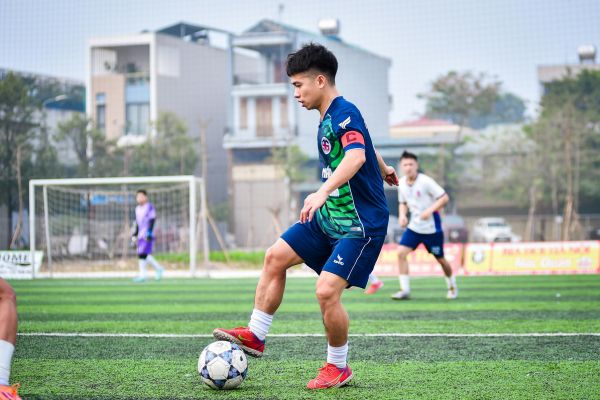
Running a youth sports club often begins with something simple—a love for the game, a desire to give kids a place to belong, or a memory of what sport once meant in your own life. But as that idea takes shape, it becomes clear that running a youth sports club is as much about people and purpose as it is about practices and matches.
There’s a rhythm to it. Some days feel effortless, with laughter echoing across the field. Others demand patience, adaptability, and a steady hand. What holds everything together isn’t perfection—it’s consistency, care, and a clear sense of why the club exists in the first place.
Understanding the Purpose Behind the Club
Before drills, schedules, or uniforms come into the picture, the foundation of running a youth sports club lies in its purpose. It’s easy to assume the goal is simply to win games or develop talent, but that’s only part of the story.
For many young players, a sports club is where they learn how to work with others, handle disappointment, and discover their own confidence. It’s where friendships form quietly over shared effort and where small victories—like improving a pass or finishing a run—carry real meaning.
When the purpose is clear, decisions become easier. Whether you’re setting expectations, resolving conflicts, or planning the season, everything aligns with the bigger picture: creating a positive, supportive environment for growth.
Creating a Welcoming and Inclusive Environment
One of the most overlooked aspects of running a youth sports club is the atmosphere it creates. Kids notice everything—how they’re greeted, how mistakes are handled, how coaches speak to them and to each other.
A welcoming club doesn’t just accept players; it makes them feel like they belong. That might mean being mindful of different skill levels, encouraging quieter players to participate, or ensuring that no one feels left behind during training.
Inclusivity also extends beyond the players. Parents, volunteers, and even spectators contribute to the overall environment. When everyone feels respected and involved, the club becomes more than just a place to play—it becomes a community.
Building a Strong Coaching Approach
Coaching in youth sports is a delicate balance. It’s not about pushing players to their limits every session or focusing only on results. Instead, it’s about guiding them through the process of learning.
Effective coaches understand that development happens in stages. Younger players might need more structure and encouragement, while older ones may benefit from greater responsibility and independence. Adapting your approach to different age groups—and even different personalities—is essential.
Communication plays a central role here. Clear instructions, constructive feedback, and a calm tone can transform how players respond. Over time, they begin to trust not just the coach’s knowledge, but also their intentions.
Designing Meaningful Training Sessions
Training sessions are where the identity of a youth sports club truly comes alive. They don’t need to be overly complicated or filled with advanced techniques. In fact, simplicity often works best.
What matters is intention. Each session should have a purpose, whether it’s improving coordination, building teamwork, or reinforcing basic skills. When players understand why they’re doing something, their engagement naturally increases.
There’s also value in variety. Repeating the same drills week after week can lead to boredom, especially for younger athletes. Mixing things up—introducing new challenges, small-sided games, or creative exercises—keeps the experience fresh and enjoyable.
And sometimes, it’s okay if a session doesn’t go perfectly. Kids have off days. Energy levels fluctuate. What counts is maintaining a steady, encouraging presence.
Managing the Logistics Without Losing the Human Touch
Behind every smooth-running club is a layer of organization that often goes unnoticed. Scheduling sessions, coordinating matches, communicating with parents—it all requires attention to detail.
But while logistics are important, they shouldn’t overshadow the human side of running a youth sports club. It’s easy to get caught up in timetables and deadlines, forgetting that each player has their own story, their own pace of learning.
Keeping communication simple and consistent helps. Whether it’s a weekly update or a quick message after training, clarity reduces confusion and builds trust. Parents appreciate knowing what’s happening, and players feel more secure when expectations are clear.
Encouraging Positive Competition
Competition is a natural part of sports, but in youth settings, it needs to be handled thoughtfully. The aim isn’t to eliminate competition—it’s to shape it in a way that supports development.
Healthy competition encourages effort, resilience, and focus. It teaches players how to handle both success and failure with grace. But when the emphasis shifts too heavily toward winning, it can create unnecessary pressure.
A balanced approach celebrates progress as much as results. A well-executed play, improved teamwork, or a moment of determination can be just as meaningful as a victory.
Supporting Emotional and Social Growth
One of the most rewarding aspects of running a youth sports club is witnessing the personal growth of its players. Over time, you see changes that go beyond physical ability.
A shy child becomes more confident. A player who struggled with frustration learns to stay composed. Friendships form, sometimes unexpectedly, bridging differences in age or background.
These moments don’t happen by accident. They emerge from an environment where players feel safe to express themselves, where mistakes are treated as part of learning rather than something to fear.
Coaches and organizers play a subtle but powerful role here. By modeling respect, patience, and encouragement, they set the tone for how players interact with one another.
Building Relationships with Parents and the Community
Parents are an integral part of any youth sports club. Their support, involvement, and understanding can significantly influence a player’s experience.
Open communication helps build strong relationships. Listening to concerns, sharing updates, and maintaining transparency create a sense of partnership. When parents feel included, they’re more likely to contribute positively to the club’s culture.
The wider community also plays a role. Local support, whether through attendance at matches or simple word-of-mouth, adds to the club’s sense of identity. Over time, the club becomes a familiar and valued presence.
Adapting to Challenges and Change
No matter how well a club is run, challenges will arise. Weather disruptions, scheduling conflicts, varying skill levels—these are part of the landscape.
Flexibility is key. Being willing to adjust plans, rethink approaches, or simply pause and reassess can make a significant difference. Sometimes, the best response isn’t immediate action but thoughtful consideration.
There’s also value in reflection. Taking time to look back on what worked and what didn’t allows the club to evolve. Growth isn’t always obvious, but it’s always happening.
Keeping the Joy of the Game Alive
Amid all the planning, coaching, and coordination, it’s important not to lose sight of why youth sports matter in the first place. At its heart, it’s about joy—the simple pleasure of playing, moving, and being part of something.
When that joy is present, everything else tends to fall into place. Players show up with enthusiasm. Coaches find energy in their roles. The club feels alive.
And that’s perhaps the most important lesson in running a youth sports club. Success isn’t defined solely by trophies or rankings. It’s reflected in the smiles after a good session, the determination to try again after a setback, and the quiet pride that comes from being part of a team.
Conclusion: More Than Just a Club
Running a youth sports club is a journey shaped by people, moments, and shared experiences. It requires organization and effort, yes, but also empathy, patience, and a genuine commitment to creating something meaningful.
Over time, the club becomes more than a place where games are played. It becomes a space where young individuals grow, connect, and discover what they’re capable of—both on and off the field.
And in the end, that’s what truly matters.