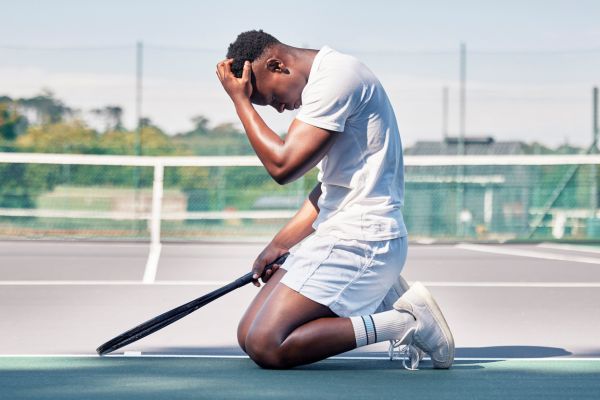
Every athlete knows the feeling of replaying a moment in the mind. A missed shot. A perfect swing. The sound of the crowd. The split second before a race begins. Sometimes these mental pictures appear on their own, almost without invitation. Other times, athletes use them deliberately to prepare, settle nerves, sharpen focus, or rebuild confidence.
That deliberate use of the mind is what makes sports mental imagery so valuable. It is not daydreaming, and it is not simply “thinking positive.” It is a structured mental skill that allows athletes to rehearse performance before it happens. When practiced consistently, mental imagery can help athletes feel more prepared, more composed, and more connected to the actions they need to perform.
Sport is physical, of course. No athlete can imagine their way around training, discipline, conditioning, or technical practice. But the mind plays a role in almost every movement. Before the body reacts, the brain has already begun to prepare. Mental imagery helps athletes use that preparation with purpose.
What Sports Mental Imagery Really Means
Sports mental imagery is the process of creating or recreating athletic experiences in the mind. An athlete might imagine making a clean pass, running with strong form, hitting a controlled serve, staying calm during a penalty kick, or recovering quickly after a mistake.
The most effective imagery is not limited to what the athlete sees. It often includes sound, movement, emotion, body position, breathing, timing, and even the feeling of pressure. A swimmer may picture the water around their body. A tennis player may hear the ball strike the strings. A runner may feel the track under their feet and the controlled burn in their legs.
This matters because athletes do not perform in still pictures. They perform in motion. The richer the mental image, the more closely it resembles the real experience.
Mental imagery can be used before competition, during training, after injury, or in quiet moments away from the sport. It gives athletes a way to practice without always adding physical strain. That does not make it a replacement for real training, but it can become a useful companion to it.
Why the Mind Shapes Athletic Performance
Performance is never just about what the body can do. It is also about what the athlete believes, notices, expects, and feels under pressure. A skilled athlete can struggle if their mind becomes crowded with fear or doubt. A young athlete may know the correct technique but freeze when everyone is watching. Even experienced competitors can lose rhythm when one mistake starts repeating itself in the mind.
Mental imagery helps athletes build familiarity with challenging moments before they happen. When an athlete has already imagined walking into a loud stadium, taking a deep breath, and starting with control, the real situation may feel less overwhelming. The body still feels nerves, but the moment is not completely new.
This is one reason mental imagery is often linked with confidence. Confidence does not always come from telling yourself everything will go perfectly. Often, it comes from feeling prepared to handle whatever happens. Imagery allows athletes to rehearse success, but also recovery, patience, and composure.
Seeing Success Without Ignoring Reality
One mistake athletes sometimes make is imagining only perfect outcomes. They picture winning easily, performing flawlessly, and feeling calm from start to finish. While that may feel good for a moment, it does not always prepare them for real competition.
Sport is unpredictable. Balls bounce strangely. Opponents adjust. Referees make calls athletes dislike. Muscles feel heavy some days. The weather changes. Mistakes happen.
Good sports mental imagery makes room for reality. An athlete can imagine performing well, but also imagine responding well when something goes wrong. For example, a basketball player might picture missing a shot, sprinting back on defense, and staying locked into the next possession. A gymnast might imagine a small wobble and then calmly finishing the routine. A football player might visualize losing the ball, recovering mentally, and staying alert for the next play.
This kind of imagery is powerful because it trains emotional recovery. Athletes do not need to fear mistakes as much when they have already practiced how to respond to them.
Using the Senses to Make Imagery Stronger
The mind responds better to images that feel real. That is why sensory detail is so important. A flat mental picture may not create much impact, but a vivid experience can pull the athlete into the moment.
A soccer player preparing for a penalty might imagine the grass under their boots, the position of the ball, the sound of the crowd, the goalkeeper’s movement, and the feeling of a steady breath before the strike. A golfer may imagine the grip pressure, the quiet around the tee, the shape of the shot, and the smooth finish of the swing. A volleyball player may picture the timing of a jump, the call from a teammate, and the sharp contact of the hand on the ball.
These small details make imagery more than a motivational exercise. They turn it into mental rehearsal. The athlete is not simply hoping to perform well. They are practicing the rhythm, the environment, and the feeling of performance.
Mental Imagery Before Competition
Before competition, athletes often experience a mix of excitement and anxiety. The heart beats faster. Thoughts move quickly. The body may feel restless. Instead of fighting those feelings, mental imagery can help direct them.
A pre-competition imagery routine does not have to be long. Some athletes only need a few minutes. They may close their eyes, breathe slowly, and imagine the first moments of performance. The beginning matters because many athletes feel most nervous before they settle into rhythm.
A runner may visualize the start, the first stretch, and the moment they find pace. A basketball player may imagine warm-up shots and the first defensive possession. A martial artist may picture entering the ring with calm awareness, reading movement, and staying balanced.
The goal is not to predict every moment. It is to prepare the mind to enter competition with a clear direction. When the athlete knows what they want to feel and do at the start, the opening pressure becomes easier to manage.
Mental Imagery During Training
Imagery is often talked about as a pre-game tool, but it can be just as useful during training. Practice is where athletes build habits, and mental habits are included in that.
Before a drill, an athlete can briefly imagine the correct movement. A pitcher can picture the delivery before throwing. A sprinter can mentally rehearse body position before a start. A dancer or gymnast can visualize a sequence before attempting it physically.
This can make practice more intentional. Instead of repeating movements without attention, the athlete connects the mind and body before each attempt. It also helps when learning new skills. If an athlete can see and feel the movement mentally, they may approach the physical attempt with more clarity.
Training-day imagery is usually simple. It may last only a few seconds. But those few seconds can change the quality of the repetition.
Building Confidence Through Rehearsal
Confidence grows when athletes collect evidence that they can handle their sport. Some of that evidence comes from actual performance. Some comes from training. Some also comes from repeated mental rehearsal.
When athletes use imagery regularly, they create a stronger inner memory of successful action. They have “seen” themselves perform with control. They have imagined pressure and handled it. They have practiced staying composed after setbacks. Over time, this can make confidence feel less fragile.
This is especially useful for athletes who struggle with self-doubt. Instead of waiting to feel confident, they can practice confidence as a behavior. They can imagine walking with steady posture, breathing well, making decisions, and staying engaged.
Confidence then becomes less about a mood and more about a pattern.
Mental Imagery After Mistakes
Many athletes are excellent at replaying mistakes. Unfortunately, they often replay them in a painful and unhelpful way. The missed catch becomes larger. The bad pass feels worse each time it is remembered. The athlete starts imagining the mistake happening again.
Mental imagery can help redirect that pattern.
After a mistake, an athlete can mentally review what happened without turning it into self-criticism. Then they can imagine the corrected action. A tennis player who hit too long can picture adjusting the swing and landing the next shot with better control. A goalkeeper who reacted late can imagine reading the play earlier and moving with sharper timing.
The point is not to pretend the mistake did not happen. The point is to use the mind for correction instead of punishment. Athletes improve faster when they learn from errors without becoming trapped inside them.
Imagery for Injury Recovery
Injury can affect more than the body. It can shake identity, confidence, and trust. An athlete returning from injury may worry about pain, movement, or whether they will perform the same way again.
Mental imagery can support recovery by helping the athlete reconnect with movement gradually. They may imagine walking, running, cutting, jumping, or competing with patience and control. They can picture the body moving safely and confidently, while still respecting the recovery process.
This kind of imagery should be realistic and gentle. It should not push athletes to ignore pain or rush back too soon. Instead, it helps rebuild trust between the mind and body. For many athletes, that trust is just as important as strength.
Making Mental Imagery Personal
There is no single perfect way to use imagery. Some athletes like quiet, detailed scenes. Others prefer short, powerful cues. Some need calming images, while others need energy and intensity. A long-distance runner may use imagery differently than a boxer. A youth athlete may need simpler language than a professional competitor.
The best imagery feels believable. If the athlete does not connect with the image, it will not help much. A nervous athlete may not believe, “I feel completely fearless.” But they may believe, “I can breathe, reset, and take the next step.” That small difference matters.
Personal imagery should match the athlete’s sport, personality, and current challenge. It should sound like their own inner voice, not a speech copied from somewhere else.
How to Practice Mental Imagery Consistently
Like any skill, mental imagery improves with practice. At first, it may feel awkward. The mind may wander. Images may appear blurry. That is normal. Athletes should not judge the process too harshly.
A simple routine can help. An athlete may spend a few minutes after stretching, before sleep, or before practice imagining one specific part of performance. It is better to be consistent with short sessions than to use imagery only once in a while for a long period.
Over time, the athlete can create a few mental routines: one for competition, one for training, one for confidence, and one for recovery after mistakes. These routines become familiar places the mind can return to when pressure rises.
Conclusion
Sports mental imagery is powerful because it gives athletes a way to train the inner side of performance. It helps them prepare for pressure, rehearse movement, build confidence, and recover from mistakes with more control. It does not replace physical practice, and it does not guarantee perfect results. Sport will always include uncertainty.
But mental imagery can change how an athlete meets that uncertainty. Instead of entering competition with a scattered mind, the athlete learns to arrive with intention. They have already imagined the rhythm, the challenge, the response, and the feeling of staying present.
In the end, the body performs better when the mind knows where to go. Mental imagery gives athletes that direction, quietly and steadily, long before the moment begins.