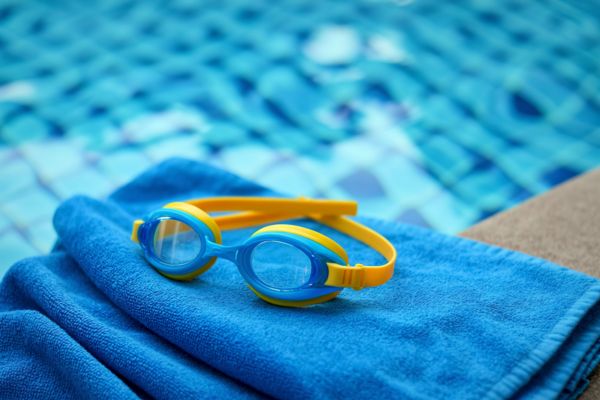
Sports goggles used to have a reputation for being clunky, foggy, and not exactly flattering. Plenty of athletes wore them only because they had to. In 2026, though, that old image feels a little outdated. Modern sports goggles are lighter, cleaner-looking, more comfortable, and far more specialized than the basic protective eyewear many people remember from school gyms or weekend leagues.
A good comparison of sports goggles has to look beyond style. The right pair depends on the sport, the level of contact, the fit, the lens material, visibility, and whether the athlete needs prescription support. Basketball players, racquetball players, swimmers, cyclists, and young athletes all face different risks. So, while one pair may feel perfect on an indoor court, it might be completely wrong for the pool, the road, or a dusty outdoor field.
Why Sports Goggles Matter More Than Regular Glasses
Regular eyeglasses are not built for fast movement, impact, sweat, or sudden changes in direction. They can slip, bend, crack, or even create extra risk if struck during play. Sports goggles, on the other hand, are designed to stay in place and protect the eye area during athletic movement.
The main difference comes down to structure. Sports goggles often use impact-resistant lenses, flexible frames, padded contact points, and secure straps. Instead of sitting lightly on the nose like daily glasses, they wrap more securely around the face. That wraparound shape helps reduce side impact, wind, dust, and accidental contact from elbows, balls, sticks, or rackets.
For athletes who wear prescription lenses, sports goggles can also make the game feel clearer and safer. Contact lenses may work for some people, but not everyone finds them comfortable. Prescription sports goggles solve that problem by combining vision correction with protective design.
Indoor Court Goggles for Basketball and Racquet Sports
Indoor court sports are some of the most common reasons people buy protective goggles. Basketball, squash, racquetball, pickleball, and similar games involve quick movement, close contact, and fast-moving balls. A normal pair of glasses may not stay put, and sunglasses are usually too loose or too dark for indoor play.
Court goggles should feel snug without pressing painfully into the temples or nose. Ventilation matters because indoor sports create heat quickly. If the lenses fog after five minutes, even the safest pair becomes annoying. Clear lenses are usually best for indoor courts, although some athletes prefer slightly tinted lenses under very bright gym lighting.
For racquet sports, lens strength is especially important because the ball can travel fast and hit from unexpected angles. A strong wraparound frame and secure strap make a noticeable difference. In this category, the best sports goggles are the ones you almost forget you are wearing once the match begins.
Youth Sports Goggles for Growing Athletes
Children and teenagers need sports goggles that fit properly, not just smaller versions of adult frames. A loose pair can slide during running or jumping, while an overly tight pair can become distracting. Since young athletes are still developing coordination and confidence, comfort matters just as much as protection.
Youth goggles should have soft padding, flexible straps, and durable lenses that can handle rough use. They also need to survive backpacks, locker rooms, and the occasional drop on a gym floor. Parents often focus on price first, which is understandable, but fit and safety standards should come before appearance or brand name.
Another detail worth considering is confidence. Some kids hesitate to wear goggles because they feel different from their teammates. Lighter frames and cleaner designs can help. When the goggles feel sporty rather than medical, young players are more likely to wear them consistently.
Prescription Sports Goggles for Clearer Play
Prescription sports goggles are useful for athletes who cannot comfortably play in contact lenses or do not want to risk damaging their everyday glasses. These goggles can be made for many sports, from basketball and soccer to squash, baseball, and general training.
The key is choosing frames that support the prescription properly. Very strong prescriptions may require specific lens shapes or frame types, so not every design will work for every person. Some models use direct prescription lenses, while others use an insert system behind the protective outer lens. Both can work, but they feel different.
Direct prescription lenses often look cleaner and may offer a wider field of vision. Insert systems can be useful when the outer shield needs to be changed for different lighting conditions. However, inserts may fog more easily if ventilation is poor. For serious athletes, it is worth getting fitted carefully instead of guessing from photos alone.
Swimming Goggles Versus General Sports Goggles
Swimming goggles are their own category. They are not designed to protect against impact in the same way court goggles are. Instead, they keep water out, improve underwater vision, and protect the eyes from chlorine or saltwater irritation.
A good swim goggle comparison usually focuses on seal, lens tint, nose bridge fit, and strap comfort. Pool swimmers often prefer clear or lightly tinted lenses, while open-water swimmers may choose mirrored or darker lenses for glare. Anti-fog coating is important, but even premium swim goggles can fog if they are touched inside or cleaned too harshly.
The biggest mistake is assuming all sports goggles do the same job. Swim goggles are excellent in water but not suitable for basketball or racquetball. Court goggles protect against impact but are not made for underwater use. Each design solves a different problem.
Outdoor Sports Goggles for Wind, Dust, and Sun
Cycling, mountain biking, skiing, snowboarding, and trail sports need goggles that deal with the environment as much as impact. Wind, dust, insects, rain, snow, and glare can all affect visibility. In outdoor sports, lens tint becomes more important than it is indoors.
Clear lenses work well for low light. Amber or rose lenses can improve contrast in changing conditions. Dark or mirrored lenses help with bright sunlight. Some outdoor goggles now offer interchangeable lenses, which is helpful for athletes who train in different weather.
Ventilation is also a major factor. A fully sealed goggle may block dust well, but it can fog if airflow is poor. A more ventilated frame may breathe better but allow fine particles through. The right choice depends on the sport and the conditions. A cyclist on a paved road needs different eyewear from a mountain biker riding dusty trails.
Comfort and Fit Should Decide the Final Choice
Even the strongest goggles are not useful if they feel terrible. Pressure around the eyes, slipping straps, nose irritation, and poor peripheral vision can all distract an athlete. Fit is personal, and face shape matters more than people expect.
The frame should sit close enough to protect the eye area but not so close that the eyelashes touch the lens. The strap should hold the goggles steady without digging into the back of the head. Padding should feel soft but not bulky. For sports with helmets, such as cycling, skiing, or hockey-related activities, the goggles must fit comfortably with the helmet.
Peripheral vision is another key detail. Some heavy frames block side views, which can be a problem in team sports. A basketball player needs to see teammates cutting toward the basket. A cyclist needs to notice movement at the edge of vision. Protection should not make the athlete feel boxed in.
Lens Materials and Safety Standards
Polycarbonate lenses are widely used in sports eyewear because they are light and impact resistant. They are not impossible to scratch, but they offer much better protection than ordinary plastic lenses. For many high-risk sports, looking for recognized safety standards is a smart move rather than trusting vague words like “durable” or “impact-style.”
Sports-specific standards matter because different activities create different risks. A goggle designed for casual cycling may not be appropriate for racquetball. A swim goggle will not protect against a basketball elbow. When comparing products, the most useful question is not simply whether the goggles look strong, but whether they are tested for the sport you actually play.
Style Still Matters, But It Should Come After Function
There is nothing wrong with wanting sports goggles that look good. In fact, style can affect whether people actually wear them. If a pair feels awkward or outdated, it may stay in the gym bag. Modern frames are much better than older bulky designs, and many now look athletic rather than clinical.
Still, style should not lead the decision. A sleek frame with poor fit, weak lenses, or bad ventilation will disappoint quickly. The best balance is a pair that feels secure, protects properly, and looks natural enough that the athlete does not think about it during play.
Conclusion
A thoughtful comparison of sports goggles shows that there is no single best pair for every athlete. The right choice depends on the sport, the level of contact, the environment, and the person wearing them. Court players need impact protection and stable fit. Swimmers need a watertight seal and clear underwater vision. Outdoor athletes need lens options, airflow, and glare control. Young players need comfort, durability, and a design they will actually wear.
In 2026, sports goggles are no longer just awkward protective gear. They are part of smart athletic preparation. The best pair should make vision feel clearer, movement feel easier, and protection feel natural. When goggles do their job well, they do not steal attention from the game. They simply let the athlete play with a little more confidence, focus, and freedom.