Every year, at least one nail-biting finish sends fans scrambling to Google to figure out what actually happens in overtime. Someone’s uncle insists it’s still “sudden death,” a friend swears the rules are different in the playoffs, and nobody can agree on what happens after a coin toss. The confusion isn’t really anyone’s fault — the NFL has changed its overtime format more than once over the past two decades, and the regular season rules genuinely are different from the playoff rules. Here’s a clear breakdown of how NFL overtime actually works, so you’re not the one guessing next time a game goes into extra football.
The Basic Idea Behind NFL Overtime
At its core, NFL overtime exists to settle games that are tied after four quarters. The format has evolved from a pure “first score wins” system into something a bit more balanced, giving both teams a fairer shot at the football. The league still calls it sudden death overtime in a general sense — the game can end on any possession once both teams have had their opportunity — but it’s no longer as simple as “first team to score wins,” which is what a lot of longtime fans still assume.
The Coin Toss Rules
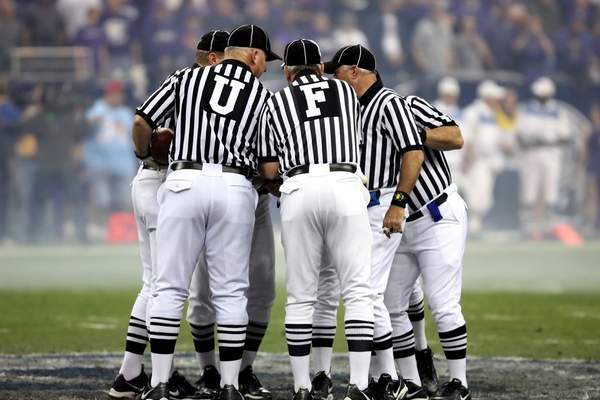
Before overtime begins, the officials conduct a coin toss at midfield, just like before the start of the game. The captain of the visiting team calls heads or tails while the coin is in the air. Whichever team wins the toss gets to choose one of three options: receive the ball, kick off, or select which direction their team will defend. Most teams elect to receive, since having the ball first still carries a real strategic advantage, even under the current rules.
Regular Season Overtime Rules
In the regular season, overtime consists of a single 10-minute period. If the game is still tied after that period, it officially ends in a tie — yes, ties are still possible during the regular season, and they do happen occasionally, even if fans forget about them until one pops up.
The modern regular season format guarantees both teams at least one possession in overtime, regardless of how the opening drive ends. That’s a meaningful shift from the old-school version of sudden death overtime, where a single opening-drive touchdown would end the game instantly. Now, unless the game ends via safety, both offenses get a fair chance to answer. If the score is still level after each team has had its possession, the game becomes true sudden death — the next score, by either team, wins.
What Happens With a Tie
Because the regular season overtime period is capped at 10 minutes, a tie is the outcome if nobody has won by the time the clock expires. It’s rare, but it’s not some ancient rule sitting unused — a handful of games end this way almost every season, usually to the frustration of both fan bases.
Playoff Overtime Rules
This is where a lot of the confusion sets in, because playoff overtime rules are noticeably different from the regular season version. Since postseason games can’t end in a tie — someone has to advance — the format is built to keep playing until a winner emerges.
Playoff overtime periods run 15 minutes each instead of 10, and if the first overtime period ends without a winner, the teams simply play another one. This continues, period after period, until a team finally scores and wins. There’s a short break between the fourth quarter and the first overtime period, and another break between overtime periods themselves, similar to the halftime intermissions teams get during regulation.
Both Teams Get a Possession
Just like in the current regular season rules, playoff overtime guarantees both teams a possession before sudden death conditions kick in. This change came after a heavily discussed playoff game in the early 2020s where a team won the coin toss, scored a touchdown on the opening drive, and ended the game without their opponent ever touching the ball. The backlash was significant enough that the league adjusted the rule so both offenses get a fair opportunity, even if the first team scores a touchdown. Once each team has had its chance, it reverts to standard sudden death — next score wins.
Why the Rules Differ Between Regular Season and Playoffs
The reasoning here is fairly logical once you break it down. Regular season games are capped in length partly for practical reasons — players need recovery time between games played just days apart on a weekly schedule, and networks have broadcast windows to manage. A tie is an acceptable, if unsatisfying, outcome when there’s another game next week to make up for it.
Playoff games carry no such luxury. Every postseason contest has to produce a winner because the season only advances when one team survives. That’s exactly why playoff overtime allows for multiple periods rather than settling for a tie after a single extra session.
Common Misconceptions About Sudden Death Overtime
A lot of fans still think of sudden death overtime the old way — first score wins, full stop. That was true decades ago, and it’s part of why the phrase still gets used loosely today. But under current rules, sudden death only fully applies once both teams have already had a possession (or if a defensive score, like a safety, ends things immediately). Understanding that distinction clears up most of the confusion people run into when a big playoff game or a division rivalry ends in overtime.
Frequently Asked Questions
Does a touchdown on the first overtime possession always win the game?
Not anymore. Under current NFL overtime rules, if the team that receives the ball first scores a touchdown, the opposing team still gets a possession of their own, both in the regular season and in the playoffs. The only way a game ends instantly on the opening drive is through a safety.
Can regular season NFL games still end in a tie?
Yes. Regular season overtime is limited to a single 10-minute period. If neither team has won by the time it expires, the game is recorded as a tie, and it counts as a half-win and half-loss for both teams in the standings.
How long is playoff overtime compared to regular season overtime?
Playoff overtime periods run 15 minutes, while regular season overtime periods run 10 minutes. Playoff games also allow for multiple overtime periods if needed, since postseason games cannot end in a tie.
What happens if the coin toss winner chooses to kick instead of receive?
It’s rare, but a team can choose to kick off or select a side rather than receive the ball. Some coaches have done this strategically, particularly in bad weather, believing their defense gives them a better chance of forcing a stop and getting favorable field position afterward.
Overtime confusion tends to resurface every time a close game grabs national attention, but the rules themselves aren’t as complicated as they’re often made out to be. Once you know that both teams are guaranteed a possession, that playoff and regular season formats differ in length and structure, and that ties are still a real (if rare) regular season outcome, the next nail-biter won’t leave you second-guessing what you just watched.