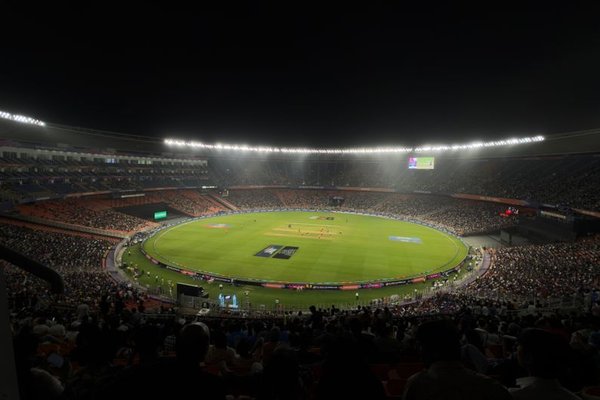
IPL vs PSL is often framed as a simple argument about which league is “better”, but the more useful comparison is about scale, player economics, squad building and the kind of cricket each competition produces. The IPL remains the larger commercial machine, while the PSL entered a new phase after expanding to eight teams and introducing its first player auction in 2026.
IPL vs PSL at a glance
The Indian Premier League had 10 teams in 2026 and used a 70-match league phase followed by four playoff games. The Pakistan Super League expanded to eight teams for its 11th season, with each side playing 10 league matches before the Qualifier and Eliminators, producing a 44-match competition.
The IPL therefore offers a longer season, more franchises and a larger player market. The PSL is more compact, so a short winning or losing run can change the table quickly. In 2026, Royal Challengers Bengaluru won the IPL, while Peshawar Zalmi claimed the PSL title.
Player salaries and franchise spending
The clearest gap in any PSL vs IPL salary comparison is the size of the player budget. The 2026 IPL retention figures show teams working with an auction purse of about INR 125 crore. IPL players also receive a match fee of INR 7.5 lakh for each game they play, on top of their contracted amount.
The PSL increased its spending power for 2026. The PCB announced a player salary purse of USD 1.6 million per franchise, while auction guidance described a PKR 45 crore team purse that could extend to PKR 50.5 crore when the permitted direct foreign signing was included. Naseem Shah attracted the highest 2026 bid at PKR 8.65 crore, while Daryl Mitchell was the highest-paid overseas player at PKR 8.05 crore.
Even without converting currencies, the overall economic difference is clear. IPL franchises operate with deeper budgets, which helps the league compete for the most in-demand international players. The PSL can still be attractive because a leading player may receive a major role, strong exposure and a shorter tournament commitment.
Auction systems and squad construction
One old comparison is now outdated: the PSL is no longer simply “the draft league” against the IPL’s auction model. HBL PSL 11 switched to a player auction in 2026. Franchises could retain a maximum of four players before the auction, limited to one per category, and each team was also allowed one direct signing of a foreign player who had not appeared in the previous PSL season.
The IPL still has the more established auction ecosystem. For the 2025-27 cycle, teams could use up to six retentions or Right to Match combinations around the mega auction, subject to capped and uncapped player limits. By the 2026 auction, many franchises had already kept large cores, so the market focused heavily on targeted rebuilding.
How the overseas player rule differs
The overseas player rule is similar on match day but different in squad planning. In the IPL, no more than four overseas players can be named in the starting XI. Franchises can carry several overseas players in a squad of up to 25, but only four may be on the field at one time.
For PSL 2026, squads contained between 16 and 20 players, with five to seven foreign players depending on squad size. Teams were required to field at least three and no more than four foreign players in the playing XI. That minimum is a notable distinction: the PSL guarantees a meaningful overseas presence, whereas an IPL side can choose fewer than four.
Which league has the stronger talent pool?
The IPL has the edge in overall depth because Indian cricket supplies an enormous domestic pool and the league’s finances attract many of the world’s most sought-after overseas players. Competition for places is fierce; established internationals can spend matches on the bench because only four overseas slots are available.
The PSL’s talent advantage is different. Pakistan’s fast-bowling pipeline regularly gives teams high-pace domestic options, while development rules create a direct route for younger players. PSL 2026 required squads to include at least two uncapped Under-23 players, with one in the playing XI. For viewers interested in spotting Pakistan prospects before they become international regulars, that remains a major attraction.
Pitch conditions and style of cricket
It is risky to reduce either tournament to one pitch stereotype. The IPL travels across India, so teams move between different climates, boundary dimensions and surfaces. A high-scoring night in Hyderabad can require a different plan from a slower surface in Chennai.
PSL conditions also change by venue, but the 2026 season became unusually concentrated after the revised schedule used only Lahore and Karachi. As a practical example, a fantasy player or match analyst should check the actual venue and recent scoring patterns rather than assuming “IPL means flat pitches” or “PSL means fast-bowling pitches”. Those shortcuts can be misleading.
Prize money and commercial scale
Prize structures change by season, so old figures can quickly become misleading. For IPL 2025, BCCI payment records showed INR 21.6 crore in winner prize money and INR 13.5 crore for the runners-up, alongside separate playoff standing funds. The PSL changed its reward structure for 2026: the winning franchise received USD 500,000, the runners-up USD 300,000, and the tournament-winning players had a separate USD 500,000 prize pool.
Prize money does not measure match quality by itself, but it reinforces the wider picture. The IPL operates on a much larger financial scale, while the PSL has been increasing its purse, auction values and franchise incentives as it expands.
FAQ
Is the IPL richer than the PSL?
Yes. The IPL operates with much larger franchise player budgets and generally higher top-end contracts. The PSL increased its purse and auction prices in 2026, but the financial gap remains substantial.
Does the PSL now use an auction like the IPL?
Yes. The PSL replaced its traditional player draft with its first auction for the 2026 season. The systems are not identical because retention rules, squad sizes and special signing provisions differ.
How many overseas players can play in IPL and PSL matches?
The IPL allows a maximum of four overseas players in the starting XI. PSL 2026 required teams to field between three and four foreign players in the XI.
Which league is better for young local players?
Both create major opportunities. The IPL exposes Indian players to an exceptionally deep and competitive talent pool, while the PSL’s Under-23 structure deliberately reserves space for developing Pakistani cricketers.
So which league comes out ahead?
If “better” means bigger budgets, deeper global recruitment and a larger commercial platform, the IPL wins comfortably. If the question is about a shorter tournament with a strong Pakistan talent pathway, prominent fast bowling and a guaranteed overseas element in each XI, the PSL has its own identity rather than simply being a smaller IPL. The fairest T20 league comparison is not about pretending every aspect is equal: the IPL leads on scale, while the PSL competes through format, opportunity and a distinctive player pool.