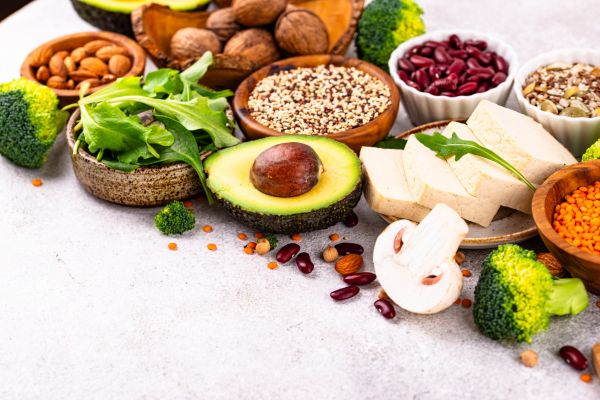
For a long time, the image of an athlete’s plate was fairly predictable. Chicken breast, eggs, fish, lean beef, maybe a protein shake on the side. Protein was treated almost like the main character in sports nutrition, and animal foods often took center stage. But that picture has changed. More runners, weightlifters, cyclists, footballers, swimmers, and everyday fitness lovers are now asking whether a plant based diet for athletes can truly support strength, endurance, recovery, and long-term performance.
It is a fair question. Athletes place serious demands on their bodies. They need enough energy to train, enough protein to repair muscle, enough minerals to support blood and bone health, and enough practical meals to keep everything consistent. A plant-based diet can absolutely meet those needs, but it has to be planned with care. Like any sports diet, it works best when it is built around the athlete’s goals rather than around assumptions.
The real question is not whether plants are “enough” in a general sense. The better question is whether the diet is complete, balanced, and realistic for the person following it.
What a Plant-Based Diet Means for Athletes
A plant-based diet can look different from one athlete to another. Some people eat fully vegan, avoiding all animal products. Others follow a mostly plant-based pattern while still including small amounts of eggs, dairy, or fish. In sports nutrition, the main idea is usually to place fruits, vegetables, grains, beans, lentils, nuts, seeds, and plant proteins at the center of the diet.
This style of eating can be rich in carbohydrates, fiber, antioxidants, and healthy fats. These nutrients matter. Carbohydrates fuel hard training. Antioxidants from colorful plant foods may help the body handle exercise stress. Fiber supports digestion and overall health, although athletes sometimes need to manage timing so they do not feel heavy before training.
The mistake is thinking “plant-based” automatically means healthy or high-performance. A diet built mostly from fries, sweets, white bread, and sugary drinks can technically be plant-based, but it will not do much for recovery or stamina. Athletes need structure. The plate has to provide energy, protein, micronutrients, and satisfaction.
Energy Comes First
Before protein, supplements, or meal timing, athletes need enough calories. This is one of the most common issues with plant-based eating, especially for athletes who train often. Many plant foods are high in volume and fiber but lower in calories compared with dense animal-based meals. That can be helpful for general health, but it may become a problem when someone is burning a lot of energy.
A distance runner, for example, may need large meals and snacks just to maintain weight. A football player trying to build muscle may struggle if every meal is mostly salad and steamed vegetables. The body cannot recover properly when it is underfed, even if the food choices are clean.
This is where calorie-dense plant foods become important. Rice, oats, pasta, potatoes, whole-grain bread, nut butters, olive oil, avocado, dried fruit, smoothies, tofu, tempeh, and trail mix can help athletes meet their energy needs without feeling like they are eating all day. For busy athletes, liquid calories can also be useful. A smoothie with fruit, soy milk, oats, peanut butter, and plant protein powder can be easier to handle than another large plate of food.
Eating enough is not about overeating. It is about matching intake to training demand.
Protein Is Possible, But Planning Matters
Protein is usually the first concern people raise when discussing a plant based diet for athletes. The concern is understandable, but it is often exaggerated. Plant foods can provide plenty of protein when meals are planned properly.
Good plant protein sources include lentils, beans, chickpeas, tofu, tempeh, edamame, seitan, soy milk, peas, quinoa, nuts, seeds, and plant-based protein powders. Soy foods are especially useful because they offer a strong protein profile and are easy to include in meals. Seitan is also very high in protein, though it is not suitable for people who avoid gluten.
The main difference is that many plant proteins come packaged with more carbohydrate or fiber, and some are lower in one or more essential amino acids. That does not mean they are poor quality. It simply means athletes should eat a variety of protein sources across the day.
For muscle repair and growth, spreading protein throughout the day is often more effective than saving most of it for dinner. A breakfast with oats and soy milk, a lunch with tofu or lentils, a snack with hummus or a protein smoothie, and a dinner with beans, tempeh, or seitan can work well. The body appreciates consistency.
Carbohydrates Are a Strength of Plant-Based Eating
If there is one area where plant-based diets naturally fit sports performance, it is carbohydrate intake. Many plant foods are rich in carbohydrates, which are the body’s preferred fuel for intense exercise. This matters for sprinting, lifting, cycling, football, tennis, basketball, and nearly every sport that requires repeated bursts of effort.
Whole grains, fruits, potatoes, rice, pasta, oats, and legumes can help refill glycogen stores after training. Glycogen is stored carbohydrate in the muscles and liver, and it plays a major role in training quality. When glycogen is low, workouts often feel harder than they should. Energy drops. Focus fades. Recovery slows down.
Athletes sometimes fear carbohydrates because diet culture has made them seem suspicious. But for active bodies, carbohydrates are not the enemy. They are fuel. The key is choosing the right type at the right time. Before training, lower-fiber options such as bananas, toast, rice, or a simple smoothie may digest better. After training, a balanced meal with carbohydrates and protein helps the body begin repairing and refueling.
Recovery Benefits from Colorful Foods
One reason plant-based eating attracts athletes is its natural variety of fruits, vegetables, herbs, spices, nuts, and seeds. These foods provide vitamins, minerals, and plant compounds that support the body’s normal recovery processes.
Hard exercise creates stress in the body. That is not a bad thing; it is part of adaptation. But the body needs nutrients to respond well. Colorful foods such as berries, leafy greens, citrus fruits, peppers, tomatoes, carrots, beetroot, and sweet potatoes bring valuable micronutrients to the table.
This does not mean athletes need to chase every trendy “superfood.” Simple variety is more important. A bowl with brown rice, black beans, roasted vegetables, avocado, salsa, and pumpkin seeds can be more useful than an expensive powder with a dramatic label. Real meals still matter.
Recovery is also about sleep, hydration, training load, and stress management. Diet helps, but it cannot fix everything on its own.
Nutrients That Need Extra Attention
A plant-based athlete should pay close attention to a few nutrients. This is not a weakness of the diet; every eating pattern has nutrients that require awareness. For plant-based diets, the most important ones are vitamin B12, iron, calcium, vitamin D, iodine, zinc, and omega-3 fats.
Vitamin B12 is especially important because it is not reliably found in plant foods unless they are fortified. Athletes following a fully vegan diet usually need fortified foods or a supplement. Iron also deserves attention, particularly for endurance athletes and menstruating athletes. Plant-based iron is not absorbed as easily as iron from animal foods, but pairing iron-rich foods with vitamin C can help. Lentils with lemon, beans with peppers, or fortified cereal with fruit are simple examples.
Calcium and vitamin D support bone health, which matters in every sport. Fortified plant milks, tofu set with calcium, leafy greens, and appropriate sunlight or supplementation can help. Omega-3 fats can come from flaxseed, chia seeds, walnuts, and algae-based sources. Iodine may require iodized salt or another reliable source, depending on the diet.
The goal is not to become anxious about nutrients. It is to be informed enough to avoid gaps.
Strength Athletes Can Build Muscle on Plants
There is still a lingering idea that plant-based athletes cannot build serious muscle. In reality, muscle growth depends on training stimulus, enough calories, adequate protein, recovery, and consistency. Plants can support that.
Strength athletes may need to be more intentional because high-protein plant meals can become bulky. Tofu, tempeh, seitan, soy milk, pea protein, and plant protein powders are practical options. A bodybuilder or powerlifter may not want to rely only on beans and vegetables because the volume of food could become uncomfortable. That is where smart food choices make the diet easier.
Meal timing also helps. Eating protein-rich meals after lifting and throughout the day supports repair. Carbohydrates should not be ignored either because they help power hard training sessions. A strong plant-based plate for a strength athlete might include rice or potatoes, tofu or seitan, vegetables, olive oil, and a sauce that makes the meal enjoyable. Food has to be repeatable, not just perfect on paper.
Endurance Athletes May Find It Naturally Fits
Endurance athletes often do well with plant-based eating because their sports demand steady carbohydrate intake. Runners, cyclists, swimmers, and triathletes may benefit from meals built around grains, fruits, legumes, and starchy vegetables.
However, endurance athletes also face risks if they undereat or overlook iron, B12, and calcium. Long training hours increase nutritional demands. A light salad and a handful of nuts will not replace a long run or cycling session. Endurance athletes need proper meals, recovery snacks, fluids, and electrolytes when appropriate.
Digestive comfort is another practical issue. High-fiber foods are healthy, but eating a large bowl of beans right before a race is probably not wise. Athletes often need to experiment with timing. Higher-fiber meals may work better after training or earlier in the day, while simpler carbohydrates may be better before performance.
The Practical Side of Eating Plant-Based
The best diet is not only nutritionally complete; it must also fit real life. Athletes travel, train early, eat with teammates, attend events, and sometimes have limited time to cook. Plant-based eating becomes much easier with a few reliable meals.
A good routine might include overnight oats, tofu scramble, lentil pasta, chickpea wraps, rice bowls, bean burritos, smoothies, peanut butter toast, and trail mix. Batch cooking can help too. Preparing grains, beans, roasted vegetables, and sauces ahead of time makes meals faster during busy training weeks.
Taste matters more than people admit. If an athlete does not enjoy the food, they will not stick with it for long. A plant-based diet should not feel like punishment. Spices, sauces, textures, and variety make a big difference.
Is a Plant-Based Diet Enough for Athletes?
Yes, a plant-based diet can be enough for athletes, but “enough” depends on execution. It must provide sufficient calories, complete protein across the day, enough carbohydrates for training, healthy fats, and careful attention to key nutrients. When those boxes are checked, plant-based eating can support performance, recovery, strength, and endurance.
It is not magic, though. Simply removing animal products will not automatically improve athletic performance. An athlete still has to train well, sleep well, eat enough, and recover properly. The diet is one part of a larger system.
For some athletes, plant-based eating feels energizing and sustainable. For others, it may require more planning than they expected. Both experiences are valid. The point is to build a diet that supports the body instead of following a label blindly.
Conclusion
A plant based diet for athletes is not only possible; it can be powerful when handled thoughtfully. It offers plenty of room for carbohydrates, colorful foods, fiber, and nutrient-rich meals that support active living. At the same time, it asks athletes to pay attention to protein, calories, and certain key nutrients that should not be left to chance.
In the end, the question is not whether plants can fuel performance. They can. The real difference comes from planning, consistency, and listening to the body. An athlete does not need a perfect diet to perform well, but they do need one that is honest about their training demands. When plant-based eating is built with that kind of care, it can be more than enough.