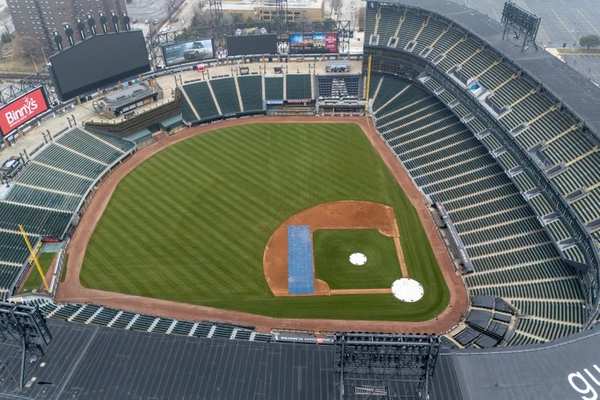
More than a century after the 1919 World Series, the Black Sox scandal still feels unusually modern. The details belong to an era of cash payoffs and smoky hotel rooms, but the central question is one every sport still faces: what happens when fans can no longer trust that the competition they are watching is genuine? Renewed attention to sports betting integrity keeps the scandal relevant because it shows how quickly gambling, weak oversight and private deals can damage confidence in an entire league.
The basic outline is clear. Members of the Chicago White Sox agreed with gamblers to influence the 1919 World Series against the Cincinnati Reds in exchange for money. Yet details remain disputed, including how long particular players stayed committed, exactly how much each man received, and whether every suspicious play was deliberate. That uncertainty is one reason the story has accumulated so many myths.
How the 1919 World Series fix took shape
Chicago entered the Series with a star-filled roster and was widely favored in betting circles, although Cincinnati was hardly an accidental champion. The Reds had finished the regular season with the better record. The 1919 World Series was also played as a best-of-nine rather than the modern best-of-seven format, so five victories were required.
Grand jury testimony, trial evidence and later historical research show that a group of White Sox players discussed losing the Series for a promised payoff that reached $100,000. The eight players ultimately associated with the scandal were Eddie Cicotte, Claude “Lefty” Williams, Chick Gandil, Oscar “Happy” Felsch, Charles “Swede” Risberg, Fred McMullin, “Shoeless” Joe Jackson and Buck Weaver.
The money did not move cleanly. Gamblers and intermediaries made promises, players complained that payments were late or smaller than expected, and the conspiracy became increasingly unstable. The Black Sox scandal was not a perfectly executed scheme in which every participant followed one plan from start to finish. It was a messy conspiracy involving distrust on both sides.
What happened on the field
The Reds won the Series five games to three. Some early games contained performances that later drew intense suspicion, particularly from pitchers Cicotte and Williams. Williams lost three games, while Cicotte lost two and won one. Chicago also won Games 6 and 7, showing why the Series cannot be reduced to a simple script in which every inning was predetermined.
Shoeless Joe Jackson remains the most debated figure. He hit .375 in the Series, and supporters have long cited that performance as evidence that he did not play to lose. But statistics cannot settle the question. Jackson gave grand jury testimony connecting himself to the scheme and to money from it, although he later challenged aspects of that account. Historians therefore distinguish between evidence that he joined the conspiracy and the harder question of whether individual plays can be proven to have been intentionally mishandled.
Buck Weaver’s case is different. Research generally supports that he attended meetings where the fix was discussed but did not take a payoff. His punishment later showed that baseball’s new leadership considered knowledge of a corrupt plan, without reporting it, serious enough to end a career.
How the scandal became public
Rumors circulated during and after the Series, but the scandal did not fully break open until 1920. A Chicago grand jury investigating gambling and possible game-fixing turned its attention to the previous year’s World Series. Cicotte, Jackson and Williams gave testimony that helped expose the conspiracy, and eight White Sox players were indicted.
In August 1921, a jury acquitted the defendants. An acquittal meant the prosecution had not secured criminal convictions under the charges before the court. It did not require baseball to treat the players as innocent for disciplinary purposes.
Why the lifetime bans stuck
Kenesaw Mountain Landis had been appointed baseball’s first commissioner in November 1920, before the Black Sox trial concluded. The scandal was a major catalyst for the new office, but it was not the only reason owners wanted stronger central authority. Baseball was already struggling with gambling concerns, internal power disputes and dissatisfaction with the old National Commission system.
After the players were acquitted, Landis moved immediately. He permanently banned all eight from Organized Baseball, taking the position that throwing a game, agreeing to throw one, or sitting in on planning with gamblers and failing to report it could all justify exclusion. His standard was broader than the criminal-law standard used in court.
That distinction explains both the Shoeless Joe Jackson ban and the continuing argument over Buck Weaver. Landis was asserting the commissioner’s power to protect confidence in the sport. The severity of the decision became a defining episode in baseball gambling history and helped establish the commissioner as far more than a ceremonial administrator.
What the Black Sox scandal still teaches sports
The scandal’s most useful modern lesson is not simply that gambling is dangerous. Integrity systems depend on early reporting, clear rules and credible enforcement. Imagine a present-day player who hears teammates discussing a plan to manipulate part of a game but never participates and never takes money. The Buck Weaver precedent shows why silence itself can become an integrity problem: failing to report a scheme can allow it to continue and make later investigation much harder.
For readers exploring the wider history, useful related topics include the evolution of baseball gambling rules, Shoeless Joe Jackson’s career, and how the World Series format changed over time.
FAQ
What was the Black Sox scandal?
It was the gambling and game-fixing scandal surrounding the 1919 World Series, in which members of the Chicago White Sox conspired with gamblers to influence the outcome against the Cincinnati Reds.
How many White Sox players were banned?
Eight players were permanently banned: Eddie Cicotte, Lefty Williams, Chick Gandil, Happy Felsch, Swede Risberg, Fred McMullin, Shoeless Joe Jackson and Buck Weaver.
Why was Shoeless Joe Jackson banned if he hit well?
Jackson’s .375 batting average is one reason his case remains controversial, but the ban was based on his connection to the conspiracy rather than batting statistics alone. Landis imposed an integrity standard that did not depend on proving a criminal offense or identifying a deliberately failed play.
Did the Black Sox scandal create the commissioner of baseball?
It was a major force behind the change, but saying it single-handedly created the office oversimplifies the history. Owners were also dealing with wider gambling problems and governance conflicts. Landis was appointed the first commissioner in November 1920 and used the Black Sox case to demonstrate the authority of the new position.
Why the scandal still matters
The Black Sox scandal endured because it changed the relationship between baseball, gambling and public trust. The 1919 World Series fix exposed how vulnerable a sport could be when betting interests reached players and oversight was fragmented. The bans that followed were harsh, and debates over Jackson and Weaver never disappeared, but the institutional response was unmistakable. Baseball emerged with a powerful commissioner and a tougher view of gambling-related misconduct. Whenever modern sports confront suspicious betting, undisclosed inside information or questions about an athlete’s duty to report wrongdoing, the shadow of 1919 is still there.