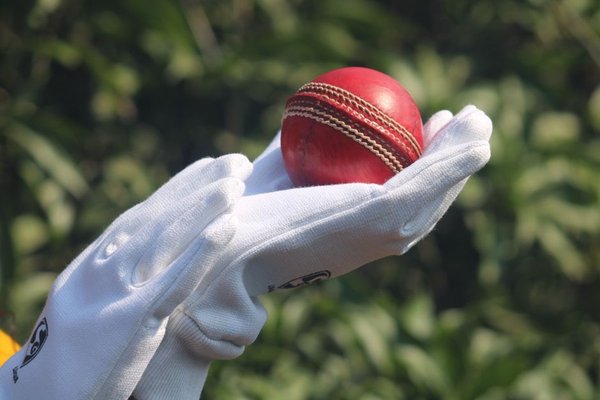
For an American sports fan, Test cricket can sound almost absurd at first: two teams can play for five days and still finish without a winner. Yet that long time frame is exactly what gives the format its character. A Test is not simply an extra-long version of a short cricket game. It is a contest built around endurance, changing conditions, tactical patience, and the possibility that time itself becomes an opponent.
At international level, Test cricket is the traditional form of the game. A standard Test is scheduled across five days, with each team normally entitled to two innings. Unlike an ODI or T20, there is no fixed number of overs for an innings. A batting side can continue until it is bowled out, declares, or otherwise completes the innings. That open structure is the key to understanding why test match cricket can move from slow calculation to frantic drama in a single afternoon.
How a Test match is structured
Each team can bat twice, so a full match can contain four innings. If Team A bats first, the usual order is Team A first innings, Team B first innings, Team A second innings, and Team B second innings. The match may end before all four are completed if one side has already done enough to win.
A normal day is divided into three sessions, usually separated by lunch and tea. ICC Test playing conditions schedule six hours of play per day and generally work around a target of 90 overs on days before the final day, subject to interruptions and other playing-condition details. Rain or bad light can reduce the amount of play.
Why does Test cricket need five days?
To win a conventional Test, a team usually needs to dismiss the opposition twice and also score more runs across its own innings. Taking 20 wickets is not easy, especially on a flat pitch where batting is comfortable. Five days create room for a contest between run-scoring, wicket-taking, weather, fatigue, and the clock.
What is a cricket declaration?
A cricket declaration is one of the ideas that makes Tests feel different from most American sports. The captain of the batting team can voluntarily close the innings while wickets are still available. Under the Laws of Cricket, a captain may declare when the ball is dead, and the declaration makes that innings complete.
Why stop batting when you could keep scoring? Because runs are useful only if there is enough time left to take the opponent’s wickets. Imagine Team A reaches 520 for 7 late on Day 2. The captain might declare rather than spend another hour chasing extra runs. That gives the bowlers a fresh chance to attack Team B before stumps and preserves more time for a result.
Declare too early and the opponent may chase the target. Declare too late and the match may drift into a draw. A guide to how cricket scoring works can help new viewers read these situations more quickly.
How the follow on rule works
The follow on rule can change the normal order of innings. In a five-day, two-innings match, if the team batting first leads by at least 200 runs after both sides have completed their first innings, the leading captain has the option to make the trailing team bat again immediately.
For example, Team A scores 450 and bowls Team B out for 220. Team A leads by 230, so it may enforce the follow-on. Instead of Team A beginning its second innings, Team B must bat again. If Team A dismisses Team B a second time before the deficit is erased, Team A can win by an innings without batting again.
Enforcing it is not automatic. Bowlers may be tired after a long spell in the field, so the captain may prefer to bat again, extend the lead, and let the attack rest. There are also adjustments when the first day of a multi-day match is completely lost, so the 200-run figure applies to the normal five-day setup.
How can five days end in a draw?
A draw occurs when the match reaches its scheduled end without either team completing the requirements for a win and without the scores producing a tie. This is often the hardest concept for new American fans because a draw can be strategically earned rather than merely accidental.
Suppose Team B is chasing 360 on Day 5 but loses seven wickets. It realizes the target is no longer realistic, so the goal shifts from scoring quickly to surviving. If the remaining batters defend successfully and Team A cannot take the last three wickets before time expires, the result is a draw.
A draw is not the same as a tie
A tie is much rarer. In simple terms, a tied Test finishes with the teams’ aggregate scores level after the final innings has been completed with no winner. A draw means time ended before a win or tie was achieved.
How to follow your first Test
Do not treat every ball as an isolated event. Track three things: the run difference between the teams, how many wickets still need to fall, and how much playing time remains. Once those pieces make sense, declarations, follow-ons, defensive batting, and fifth-day pressure stop looking strange. Our guide to what an over is in cricket can also make the scoreboard easier to read.
Frequently asked questions
How long is a Test cricket match?
A standard international Test is scheduled for up to five days. It can finish earlier if one team achieves a winning result before the fifth day is complete.
How many innings does each team get in Test cricket?
Each team is normally entitled to two innings. An innings can end when ten batters are dismissed, when the captain declares, or in other circumstances allowed by the Laws and playing conditions.
Can a Test match really end with no winner?
Yes. If neither side secures a win before the available playing time expires, the match is a draw. Rain, determined defensive batting, or simply the way the match develops can all contribute.
What does follow-on mean in Test cricket?
It means the team that batted second is required to bat again immediately after its first innings. In a normal five-day match, the team that batted first can choose this option after taking a first-innings lead of at least 200 runs.
Why the long format makes sense once you follow the clock
Test cricket becomes much easier to understand when five days are viewed as a limited resource rather than an excessive duration. Teams are constantly trading runs, wickets, rest, pitch conditions, and time. The declaration turns time into a tactical weapon; the follow-on can compress the innings order; and the draw gives a team under pressure something meaningful to fight for. What first looks like a sport that lasts too long is actually a contest in which every hour changes the options available to both captains.