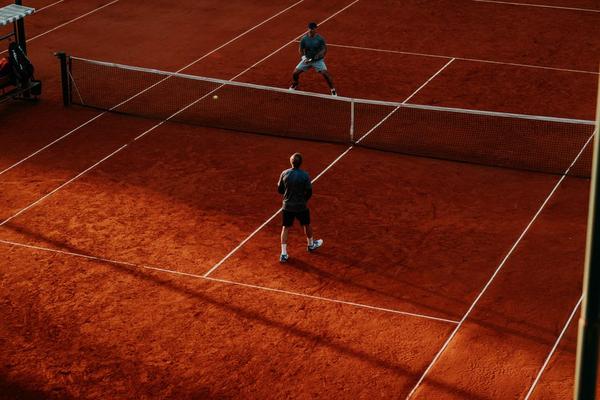
A serve return is the receiver’s first chance to shape the point. It does not need to be spectacular; it needs to neutralize the server, land with useful depth or direction, and leave you balanced for the next ball. Learning how to return a tennis serve comes down to three connected skills: starting in the right place, timing your movement to the server’s contact, and using a compact swing that matches the pace and spin coming at you.
Start With Smart Return of Serve Positioning
Your starting position should change with the server. Against an average first serve, many players are comfortable around the baseline. Against a very fast server, moving a step or two farther back can buy reaction time. Against a softer second serve, stepping inside the baseline can help you take the ball earlier and pressure the server.
Watch where the server prefers to aim. If a right-handed player repeatedly slices wide from the deuce court, shade slightly toward that serve without leaving the middle completely exposed. Good return of serve positioning reduces how far you must move while still protecting the main serving targets.
Use an Athletic Ready Position
Keep your feet slightly wider than shoulder width, knees flexed, weight toward the balls of your feet, and racket in front. Hold the racket with both hands while you wait so you can turn quickly to either side. Stay relaxed through the shoulders and hands; excess tension can make the first movement slower.
Time the Split Step to Contact
The split step return connects your ready position to the first move. As the server begins the upward swing, make a small hop so you land around the moment the racket contacts the ball. Landing at contact puts your legs in a loaded position and helps you push immediately toward the serve.
If you split too early, you may become flat-footed before the ball is hit. If you split too late, the serve is already travelling while you are still in the air. Watch the server’s hitting action, not only the toss.
Keep the Backswing Compact
On a fast first serve, there is rarely time for a full groundstroke backswing. A dependable tennis return technique uses an early shoulder turn, short preparation, and clean contact in front of the body.
Think of the return as borrowing some of the server’s pace. The faster the ball arrives, the less extra swing you usually need. Turn, set the racket, meet the ball, and direct it with a controlled follow-through. This is especially useful when returning fast serves, because an oversized swing often produces late contact.
Let the Incoming Pace Set the Swing Length
Against a hard first serve, use a compact, block-like motion while keeping your posture stable. Against a slower second serve, you have more time to rotate, accelerate, and create your own depth or spin. The return can become more aggressive as the incoming pace drops, but control should still come first.
Handle Wide, Body, and T Serves Differently
A wide serve pulls you away from the centre, so a controlled cross-court return is often the percentage option. A body serve requires quick footwork: create space so you can choose the forehand or backhand instead of getting jammed. A serve down the T comes through the middle and often rewards a simple return back through the centre.
These are starting patterns, not fixed rules. Early in a match, solid returns also help you learn the server’s habits. Once you are reading the serve well, you can change direction more confidently.
Adjust to Slice and Kick Serves
Spin changes the ball’s path before and after the bounce. A slice serve can curve away and stay relatively low, so move with the ball rather than reaching from a fixed stance. A kick serve may jump higher, especially toward the backhand. You can step in and take it earlier or move back enough to let it drop into a more comfortable strike zone.
Against a left-handed server, the common slice direction is reversed compared with a right-hander. Strong returners adjust with their feet first and their swing second.
Use Different Plans for First and Second Serves
On first serves, prioritize making the return with enough depth to prevent an easy first strike. On second serves, stepping forward and taking the ball earlier can help you become more aggressive.
For example, imagine an opponent serving hard down the T on the deuce side, then using a slower second serve to your backhand. On the first serve, stay balanced near the baseline, split at contact, and use a short backhand return through the middle. On the second serve, begin slightly closer, move forward after the split, and meet the ball earlier with more depth. The technique changes because the incoming ball changes.
Practice the First Two Seconds of the Point
Return practice works best when it resembles a real serve. Ask a partner to serve from the baseline rather than feeding easy balls. Start by aiming every return at a large cross-court or central target. Once you can make several in a row, add different placements, speeds, and spins.
Focus on the sequence that matters most: ready position, split step, first move, contact, and recovery. Related work on tennis footwork drills, forehand technique, and serve placement can reinforce the same skills. The goal is not to hit a winner from every return; it is to begin the point from a balanced position.
Common Return Mistakes to Fix
Late preparation often starts before the swing. Standing too upright, skipping the split step, taking a large backswing, or watching only the toss can make the return feel rushed. Another common mistake is attacking every second serve before establishing clean contact. Aggression works best when timing and balance are reliable.
Frequently Asked Questions
Where should I stand to return a tennis serve?
Start around the baseline and adjust to the server’s pace and patterns. Move farther back for extra reaction time against heavy pace, or step inside the baseline to take a slower second serve earlier.
When should I split step on a return?
Time the split so you land around the moment the server contacts the ball. That helps you push quickly in either direction instead of reacting from a static stance.
How do I return very fast serves?
Prepare early and shorten the swing. Meet the ball in front with a stable racket and use the server’s pace rather than trying to create a large swing of your own.
Should I attack a second serve?
Often, yes, but controlled aggression is more reliable than swinging for an outright winner. Step in when possible, take the ball earlier, and aim for depth or a clear target.
Build the Return Around Timing and Control
Make positioning, split-step timing, and compact preparation automatic. Once those pieces are dependable, you can adapt to pace, spin, placement, and different servers without rebuilding your stroke every point. Focus first on clean contact and a return that leaves you ready for the next ball. Consistency creates pressure, and that pressure can turn the return from a defensive reaction into a genuine starting weapon.