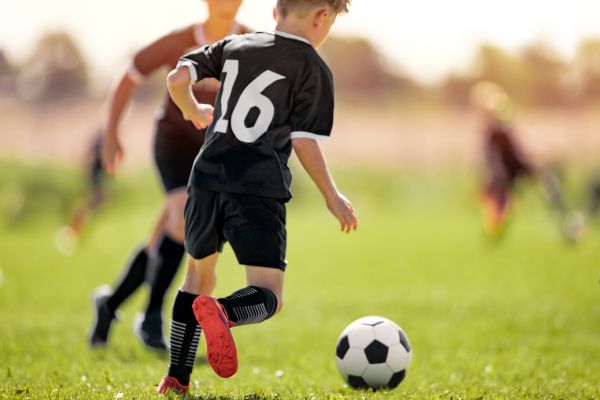
Parents often find themselves standing on the sidelines long before their child ever joins a team. The questions start early. Is my child too young? Too old? Will starting organized sports now help them, or could it do more harm than good? The debate around the age to start organized sports has grown louder as youth athletics become more structured, competitive, and visible than ever before.
There is no single “perfect” age that fits every child. What matters most is understanding how children grow physically, emotionally, and socially, and how organized sports intersect with those stages. When done thoughtfully, sports can be a source of joy, confidence, and lifelong habits. When rushed, they can create pressure that sticks longer than the trophies.
Why the Question of Age Matters More Than Ever
Organized sports today look very different from backyard games of the past. Even entry-level leagues often involve uniforms, scheduled practices, standings, and expectations. For young children, this structure can either feel exciting or overwhelming, depending on timing and temperament.
The age to start organized sports matters because early experiences shape how kids view physical activity. A positive introduction can make movement feel natural and enjoyable. A negative one can turn sports into something stressful or intimidating before a child has the tools to handle it.
Parents are not wrong to think carefully about timing. Early childhood is a period of rapid development, and pushing structured competition too soon can clash with how young brains and bodies learn best.
Understanding Child Development Before Choosing a Sport
Children develop unevenly. Physical coordination, attention span, emotional regulation, and social awareness do not arrive all at once. A four-year-old may run fast but struggle with rules. A six-year-old may understand teamwork but tire quickly. These differences matter when deciding whether organized sports are appropriate.
Before the age of five, most children learn best through unstructured play. Running, climbing, throwing, and pretending build motor skills in ways that drills cannot replicate. This is not a weakness; it is the foundation that future athletic skills rely on.
By early elementary school, many kids begin to enjoy simple rules, group activities, and shared goals. This developmental shift often signals a more natural entry point into organized sports, especially low-pressure programs focused on participation rather than performance.
Early Childhood and the Role of Play-Based Sports
For children between three and five, exposure to sports should look more like guided play than formal training. Programs that emphasize fun, imagination, and basic movement patterns tend to be the healthiest option at this stage.
The goal during early childhood is not skill mastery. It is comfort with movement, listening to a coach, taking turns, and experiencing small successes. Children who start this way often associate sports with enjoyment rather than evaluation.
At this age, the risk is not starting too late. It is starting too seriously. Overly competitive environments can make young children anxious or disengaged, especially if they are still learning how to manage frustration and attention.
The Common Starting Window for Organized Sports
Many child development experts point to ages six to nine as a common and reasonable window for introducing more structured sports. During this stage, children tend to have better balance, improved coordination, and a stronger ability to follow instructions.
Socially, kids in this age range begin to understand teamwork and fairness. Emotionally, they are better equipped to handle both winning and losing, though support and perspective from adults remain essential.
This does not mean that every child should start at the same time. Some children thrive at six, while others feel more comfortable waiting until eight or nine. The key is readiness, not the calendar.
Emotional Readiness Often Matters More Than Physical Skill
Parents sometimes focus heavily on physical ability when thinking about the age to start organized sports. Can my child throw far enough? Are they fast enough? These questions matter less than emotional readiness.
A child who can handle gentle criticism, stay engaged during practice, and enjoy being part of a group is more likely to benefit from organized sports. On the other hand, a physically talented child who becomes distressed by mistakes or competition may struggle if introduced too early.
Sports are as much about patience, resilience, and cooperation as they are about strength or speed. When children are emotionally prepared, skill development tends to follow naturally.
The Pressure of Early Specialization
One growing concern in youth athletics is early specialization. Some children are encouraged, or pushed, to focus on a single sport at a very young age. While this approach may seem advantageous, research increasingly suggests the opposite.
Early specialization can increase the risk of burnout and overuse injuries. It can also limit overall athletic development by reducing exposure to varied movement patterns. Children who sample multiple sports often develop better coordination and a healthier relationship with physical activity.
When considering the age to start organized sports, variety matters. Trying different activities allows children to discover what they enjoy rather than what they are expected to excel at.
Signs a Child May Be Ready for Organized Sports
Readiness rarely announces itself clearly, but there are clues. A child who asks to join a team, enjoys group games, and shows curiosity about learning rules is often signaling interest. These signs are more meaningful than external expectations or comparisons with peers.
Children who benefit most from organized sports usually show a mix of enthusiasm and adaptability. They do not need to be naturally gifted. They need to feel safe, supported, and excited to participate.
Parents who listen closely to their child’s reactions after practices and games often gain the best insight. Joy and eagerness are strong indicators that the timing is right.
When Waiting Can Be the Healthier Choice
Delaying organized sports is not a disadvantage. In many cases, it can be a gift. Children who spend more time in free play often develop creativity, problem-solving skills, and intrinsic motivation.
Waiting can also protect children from unnecessary pressure during formative years. Sports will always be there. Childhood, with its unique rhythms and needs, will not.
If a child shows resistance, anxiety, or disinterest, it may be worth pausing rather than pushing forward. A later start does not mean a weaker future. Many successful athletes began organized sports well after their peers.
How Parents Shape the Sports Experience
No matter the age to start organized sports, parental involvement plays a defining role. Children often mirror adult attitudes. When parents focus on effort, learning, and enjoyment, kids tend to do the same.
Conversely, excessive focus on performance or outcomes can drain the fun from sports quickly. Young athletes benefit most when adults act as supporters rather than critics.
The tone set at home often matters more than the league itself. Encouragement, perspective, and patience can transform sports into a positive part of a child’s identity.
A Thoughtful Conclusion on Timing and Trust
The best age to start organized sports is less about numbers and more about awareness. It depends on the child in front of you, not the child next door or the one on social media. Development is not a race, and sports should never feel like one.
When introduced at the right time, organized sports can offer friendship, confidence, and a lifelong appreciation for movement. When rushed, they can create pressure that overshadows their benefits.
Trust your observations, listen to your child, and remember that readiness is personal. The goal is not to create an athlete as early as possible, but to nurture a healthy, happy relationship with activity that lasts well beyond childhood.