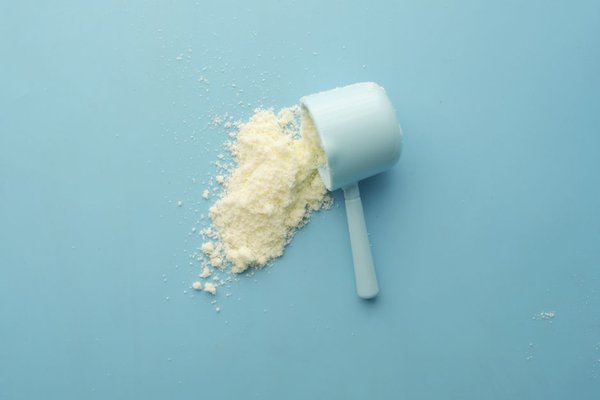
The best protein powder for athletes is not necessarily the one with the highest protein percentage, the boldest recovery claim, or the biggest tub. It is the one that fills a genuine gap in your diet, agrees with your stomach, and suits your training routine. For some athletes, that means whey after a long session. For others, it means plant protein in breakfast oats—or no powder at all.
Decide What the Powder Needs to Do
Protein supports muscle repair and adaptation, but a shake cannot compensate for inadequate training, sleep, energy intake, or carbohydrates. Sports nutrition guidance commonly places protein needs for many exercising adults around 1.4–2.0 grams per kilogram of body weight daily. Individual requirements vary with training, age, and goals.
For a 70-kilogram athlete, that range works out to roughly 98–140 grams a day. If meals already provide enough, another shake may add expense without a clear benefit. If work or travel regularly leaves you short, a supplement becomes practical. Estimating your daily protein needs for training is therefore the first step.
Compare the Best Protein Powder Types
Whey Concentrate: An Everyday Option
Whey is a milk-derived protein that supplies all essential amino acids, including leucine, which helps stimulate muscle protein synthesis. Whey concentrate is usually a cost-effective starting point for athletes who tolerate dairy. It contains varying amounts of lactose, fat, and carbohydrate depending on the product.
Whey Isolate: More Protein, Usually Less Lactose
Whey isolate is processed to remove more non-protein components, typically giving a higher protein proportion and less lactose than concentrate. It may suit athletes who want a smaller amount of powder for a given protein target. It is not automatically better for muscle growth when overall protein intake is comparable.
People with milk allergy should avoid whey altogether; lower lactose does not remove milk proteins.
Casein: A Slower-Digesting Dairy Protein
Casein digests more gradually than whey. Some athletes find it useful as an evening snack or during long gaps between meals. Research has examined casein before sleep as one way to support overnight muscle protein synthesis, but there is no requirement to drink a special bedtime shake. Protein-rich food can work, too.
Plant Protein: Check the Blend and Serving
In the whey vs plant protein comparison, the key questions are amino acid profile, protein amount, and tolerance. Soy is a complete protein source, while pea, rice, and mixed plant formulas can also support athletic protein goals when the overall diet is adequate.
Some plant powders need a larger serving to deliver protein and essential amino acids comparable to a whey product. Compare actual protein grams, not just scoop size. A blend can be a practical choice for vegan athletes or those avoiding dairy.
Read Protein Supplement Labels Before Comparing Prices
Turn the container around. The front may advertise “30 g per serving,” but that can describe the powder weight rather than the protein it supplies. A 30-gram scoop containing 21 grams of protein is different from one containing 26 grams.
Five Details Worth Checking
First, confirm grams of protein per stated serving. Second, look at serving size and number of servings in the tub. Third, review ingredients for sweeteners, lactose, allergens, and unwanted additions. Fourth, compare price per 20 or 25 grams of protein rather than price per tub. Fifth, check whether the product carries independently verifiable sport-specific testing.
Expensive “recovery matrices,” proprietary blends, and long lists of added amino acids can obscure whether you are buying a straightforward protein source. The Australian Institute of Sport recommends considering simple products rather than paying for unnecessary extras.
Take Supplement Safety Seriously
A clean-looking label cannot guarantee that a supplement is free of contaminants or prohibited substances. This matters especially for athletes subject to anti-doping rules. The U.S. Anti-Doping Agency recommends NSF Certified for Sport as a way to reduce supplement risk, while stressing that certification cannot eliminate it.
Verify certification through the testing body’s database rather than relying only on an online logo. For products marketed elsewhere, review relevant independent batch-testing programs and your sport’s governing-body guidance. Athletes with medical conditions, allergies, or prescribed diets should consult a clinician or sports dietitian before supplementing.
Match the Shake to Your Actual Schedule
Imagine a distance runner finishing an early workout and heading straight to work without a refrigerator. A shelf-stable protein option and a banana might be convenient, although the carbohydrate and fluid needs of that session remain important. A strength athlete who eats eggs and toast soon after training may have no reason to add a shake.
For most people, reaching a suitable daily intake and spreading protein across meals matters more than chasing a narrow post-workout window. Many athletes use roughly 20–40 grams of protein at a meal or snack, adjusted for body size and existing intake.
When blending athlete shakes, consider what the session demands. Fruit and oats can supply carbohydrate alongside protein, while water may be enough when a full meal is coming soon. Good post-workout recovery nutrition involves more than protein alone.
Use a Food-First Test Before Buying
Try this for three typical training days: note protein-rich foods at breakfast, lunch, dinner, and snacks, then identify where intake falls short. If the gap is consistent and inconvenient to fill with food, look for a powder with a suitable serving size, acceptable taste, and independently checked quality.
Food also provides vitamins, minerals, fats, fiber, and other nutrients that isolated powders may lack. Milk, eggs, tofu, legumes, fish, and yogurt can do more nutritional work than a scoop. Powder is a convenience purchase, not a compulsory part of progress.
Frequently Asked Questions
Is whey or plant protein better for athletes?
Both can work. Whey naturally has a favorable essential amino acid profile, while soy or well-chosen plant blends can also contribute effectively. Choose based on dietary preferences, tolerance, protein intake, and product quality.
How much protein powder should an athlete take?
There is no universal scoop count. Work out your daily protein goal and use powder only to help cover a shortfall. A serving providing around 20–40 grams of protein fits many situations, but is not required for everyone.
Do athletes need a protein shake immediately after training?
Not always. Protein around training can help recovery, but daily intake and meal distribution usually matter more than drinking a shake within minutes. Plan around your next realistic meal.
Can a protein powder replace a meal?
A plain protein shake usually lacks the carbohydrate, fats, fiber, and micronutrients of a balanced meal. It can complement a meal or snack, but should not routinely displace varied food without a considered nutrition plan.
Choose for Fit, Not Hype
A sensible purchase starts with a dietary gap and ends with a product you can use consistently. Compare whey, casein, and plant options for protein content, tolerance, price, and safety verification. If your meals already cover your needs, you may have found the best option of all: keep the money and eat well.