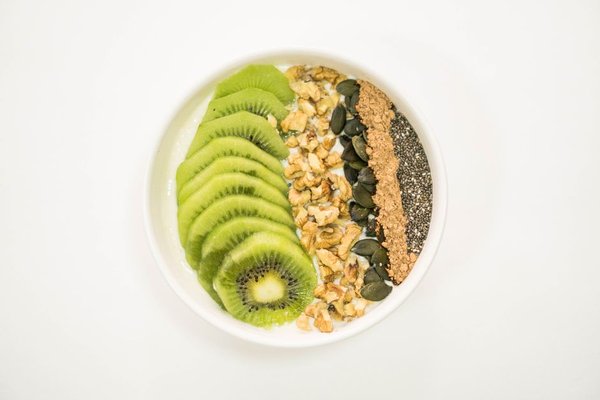
A good pre workout meal should leave you feeling fuelled, not full. That sounds simple until training starts at 6 a.m., lunch was hours ago, or a hard interval session makes even a healthy meal feel heavy. The best choice depends on how soon you will exercise, how demanding the session is, and what your stomach tolerates. For most people, the starting point is carbohydrate-rich food, a little protein when time allows, and enough fluid to begin comfortably hydrated.
Start with the fuel your workout actually needs
Carbohydrates help supply energy for exercise because the body can draw on blood glucose and stored glycogen to support working muscles. Running intervals, cycling hills and demanding team sports rely heavily on this fuel. Your overall diet matters more than one perfectly timed snack, but arriving at a long or intense session underfuelled can make the effort feel harder.
Pre exercise carbs do not need to come from a specialist product. Bread, rice, oats, potatoes, fruit and cereal can all work. Choose familiar foods and adjust the portion to the activity. A short, gentle workout after a balanced meal may require nothing extra.
How long before training should you eat?
Three to four hours before: a proper meal
This window usually gives a substantial meal time to settle. Try rice with chicken or tofu and cooked vegetables, a turkey sandwich with fruit, or porridge with milk and a banana. Include carbohydrates as the main energy source, some protein and a moderate amount of fat. Eat enough to satisfy hunger without becoming uncomfortably full.
One to two hours before: keep it lighter
When the clock is tighter, reduce the serving size and favour easy-to-digest pre workout food. Toast with jam and yogurt, a small bowl of cereal with milk, or a banana with crackers may sit better than a large lunch. If dairy or particular fruits upset your stomach, use alternatives you know work.
Thirty to sixty minutes before: a simple snack
Close to exercise, a banana, applesauce pouch, plain toast or pretzels may take the edge off hunger. A large meal this late can feel heavy, especially before running or high-intensity training. If you ate recently and feel fine, another snack may be unnecessary.
Balance carbs, protein, fat and fibre
Carbohydrates deserve priority when planning meals before exercise, especially before longer sessions. Protein supports muscle maintenance and training adaptation, but a huge protein-heavy meal immediately beforehand is not necessary. Include eggs, yogurt, milk, beans, fish or lean meat in an earlier meal if tolerated, and spread protein across the day.
Fat and fibre belong in a healthy eating pattern, yet large amounts can slow digestion or cause discomfort close to vigorous activity. Bean chilli, an enormous salad or a greasy takeaway might be enjoyable at another time but risky before sprints. This is about timing, not calling nutritious foods bad. A separate guide to carbohydrate needs for endurance exercise can help you tailor portions to harder training weeks.
Pre workout meal ideas for real schedules
Early morning strength session
If you lift weights at 6:30 a.m. and cannot face breakfast, try a banana or a slice of toast after waking, then eat a fuller meal afterwards. If you consistently feel strong without a snack during short sessions, that may also be reasonable. Your performance and total daily intake matter more than an inflexible breakfast rule.
Lunchtime gym visit
For a noon workout, breakfast at 8 a.m. may be enough for a moderate session. If hunger appears by 11 a.m., pack crackers, fruit or a small bagel. Keeping a predictable snack in your bag beats hunting for an elaborate pre-training recipe.
Evening run or sports practice
Consider dinner two to three hours beforehand: rice with a modest serving of chicken and cooked carrots. If you leave work late and have only 40 minutes, switch to toast and a banana, then enjoy your main meal afterwards. A large, high-fibre dinner before running may be harder to tolerate than the same meal before a relaxed walk.
Hydration belongs in the plan
Drink regularly through the day instead of trying to make up for missed fluids immediately before exercise. Water suits most ordinary workouts. Longer sessions, high heat and heavy sweating may require additional fluid and sometimes sodium, depending on conditions and sweat losses. Avoid forcing down excessive water, which can be dangerous.
Caffeinated pre-workout drinks are not substitutes for food or hydration. Caffeine may help some athletes, but it can worsen anxiety, digestive symptoms and sleep, particularly when training late. Understanding hydration for exercise is useful if you train in hot conditions.
Match your meal to the session
A 30-minute mobility class does not need the same fuelling strategy as a two-hour cycle ride. For long endurance training, arrive adequately fed and consider carbohydrates during the session. Before hard intervals, choose lower-fibre foods. Before lifting, a normal meal with carbohydrates and protein several hours earlier is often sufficient.
Test your approach over several sessions. Record what you ate, when you ate it, your energy halfway through and any nausea or bloating. Change one variable at a time. Those observations can be more helpful than copying an athlete’s exact breakfast. Learning what to eat after a workout can also complete the day’s fuelling plan.
Common mistakes that make training harder
Skipping meals all day and expecting one small snack to fix low energy often backfires. So does trying an unfamiliar high-fibre bar before a race, eating too much moments before running or forgetting to drink until reaching the gym. Not every workout calls for expensive powder or supplements. Ordinary food works for many people.
If you have diabetes, recurring exercise-related dizziness, persistent gut symptoms or a history of disordered eating, seek individual guidance from a clinician or registered sports dietitian instead of relying on generic meal timing.
Frequently asked questions
What is the best pre workout meal?
There is no universal winner. A familiar carbohydrate-rich meal with some protein, eaten around two to four hours before training, is a practical starting point. Adjust the portion and fibre content to your workout and digestion.
Is a banana enough before a workout?
It can work as a light snack before shorter exercise or when you ate earlier. Demanding or prolonged training may require a larger meal beforehand and fuel during activity.
Should I eat before a morning workout?
It depends on intensity, appetite and how you feel. A light snack may help if you wake hungry or notice low energy. Short, easy sessions may be comfortable without one if your overall nutrition is adequate.
What foods should I avoid right before exercise?
Avoid large servings and anything that reliably causes reflux, cramps or bloating. Many people tolerate very fatty, high-fibre or unusually spicy meals poorly close to intense workouts.
Build a routine you can repeat
The right pre workout meal supplies useful energy without getting in the way of movement. Choose a balanced meal several hours out, a lighter snack closer to exercise, and sensible hydration throughout the day. Test familiar foods during normal training, notice which options feel best, and repeat what works for you.