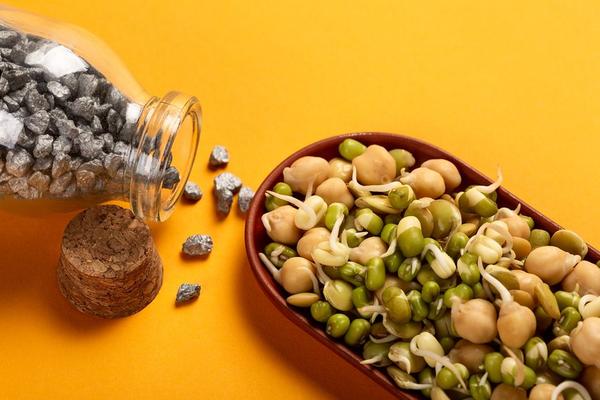
Iron rarely gets the attention that protein or carbohydrates receive in an athlete’s diet. Yet an athlete who eats enough calories and trains consistently can still struggle when iron stores run low. The mineral helps carry oxygen through the bloodstream and supports the processes that turn food into usable energy. Choosing iron-rich foods for athletes is therefore about more than adding spinach to a plate: the type of iron, the foods eaten alongside it, and the athlete’s overall needs all matter.
Why Iron Deserves a Place in the Training Plan
Iron is a component of haemoglobin, the protein in red blood cells that transports oxygen, and myoglobin, which helps muscles store oxygen. It also contributes to normal energy metabolism. Low iron stores may develop before anaemia appears, so an athlete can have a normal haemoglobin result while their ferritin, a marker of stored iron, is depleted.
Endurance athletes, people who menstruate, athletes training at altitude, and those eating vegetarian or vegan diets may need particular attention to iron intake. Restrictive eating or insufficient overall energy can increase concern. None of this means every athlete needs a supplement; it means regular meals should provide reliable iron sources.
Heme Iron and Non-Heme Iron: What Changes on the Plate?
Heme iron comes from animal foods such as meat, poultry and seafood. The body generally absorbs it more readily, and other components of a meal have less influence on its absorption. Non-heme iron is found in plants, fortified foods and some animal foods. Its absorption varies considerably depending on what else is eaten.
A balanced approach can include both forms. An athlete who avoids animal products can still meet their needs, but benefits from planning meals around iron sources and foods that improve non-heme iron absorption.
Useful Iron-Rich Foods for Athletes
Animal Foods That Supply Heme Iron
Lean beef and lamb provide heme iron along with protein and vitamin B12. Shellfish, especially clams and mussels, can be particularly iron-rich, while sardines are another practical seafood option. Dark poultry meat contains some iron, although generally less than red meat or many shellfish. Portions and iron content vary, so variety is more useful than relying on one supposedly perfect food.
Plant Foods and Fortified Staples
Lentils, chickpeas, kidney beans, tofu, tempeh and pumpkin seeds can make meaningful contributions. Iron-fortified breakfast cereals and breads may be convenient choices for busy training mornings; check the nutrition label because fortification differs between products and countries. Cooked leafy greens provide some iron, but the iron in spinach is less readily absorbed partly because of naturally occurring compounds.
For vegetarian athletes, a lentil-based lunch, tofu stir-fry or bean chilli can deliver iron together with carbohydrate and protein. Those building a wider plant-based menu may also find the topic of plant-based protein for athletes useful when choosing complementary foods.
How to Improve Iron Absorption Without Complicating Every Meal
Pair Plant Iron with Vitamin C
Vitamin C helps the body absorb non-heme iron. This creates easy combinations: lentils with tomatoes and lemon juice, tofu with bell peppers, chickpeas with a citrus dressing, or fortified cereal with kiwi fruit. You do not need a special drink or powdered product. Ordinary fruit and vegetables served in the same meal do the job.
Think About Tea, Coffee and Calcium Timing
Tea and coffee contain polyphenols that can reduce non-heme iron absorption when consumed with an iron-focused meal. If iron status is a concern, try enjoying these drinks between meals rather than automatically alongside breakfast or lunch. High-dose calcium supplements can also interfere with iron absorption; discuss supplement timing with a clinician. This does not mean avoiding dairy or treating a splash of milk as a nutritional emergency.
Prepare Beans and Grains in Practical Ways
Legumes and whole grains contain phytates, which can limit non-heme iron absorption. Soaking, fermenting or using leavened grain products can reduce some of that effect. Beans and whole grains remain nutritious athlete foods, providing fibre, carbohydrate and other micronutrients. The aim is to improve a varied diet, not eliminate valuable staples.
A Training-Day Example That Fits Real Life
Imagine a distance runner with a morning session and an afternoon of work. Breakfast could be iron-fortified cereal with sliced strawberries, followed by coffee later in the morning. Lunch might be a lentil-and-quinoa bowl with roasted peppers and lemon dressing. For dinner, choose beef with vegetables, or a tofu-and-broccoli stir-fry if eating plant-based.
This pattern spreads athlete iron foods across the day rather than trying to get everything from one meal. It also leaves room for sufficient carbohydrate, protein and total calories. Athletes preparing for longer sessions can build on the same principle when planning endurance training nutrition.
Hard exercise can temporarily increase hepcidin, a hormone that regulates iron absorption. Researchers are studying how meal timing around training affects iron uptake, but the effect varies and does not justify skipping recovery food. Consistent intake and individual clinical advice matter more than chasing a perfect clock time.
When Food Changes Are Not Enough
Persistent fatigue, unusual breathlessness, reduced training tolerance or poor recovery may warrant a healthcare assessment, though these symptoms have many possible causes. A clinician may consider haemoglobin, ferritin and other iron markers in context. Ferritin can rise during inflammation, so interpreting one number without the broader picture can be misleading.
For reference, US recommended dietary allowances for adults aged 19–50 are 8 mg daily for men and 18 mg for women, with different needs during pregnancy and at other life stages. These are population reference values, not personalised prescriptions for athletes. Vegetarian diets may require greater dietary intake because plant iron is less bioavailable.
Do not start high-dose iron tablets simply because training feels harder. Excess iron can be harmful, and supplementation should follow appropriate testing and medical guidance. Understanding sports nutrition blood tests can make discussions with a qualified sports dietitian or clinician more productive.
Frequently Asked Questions
Is spinach the best iron food for athletes?
No. Spinach contains iron, but much of it is not easily absorbed. Lentils, fortified cereals, tofu, beef and shellfish may be more practical iron sources, depending on dietary preferences and portions.
Can vegan athletes get enough iron without supplements?
Yes, many can through thoughtfully planned meals featuring legumes, soy foods, seeds and fortified grains, especially when paired with vitamin C. Athletes with low stores or higher needs should seek individual advice.
Does coffee cancel out iron in a meal?
No. It can reduce absorption of non-heme iron when consumed with food, but it does not erase all the iron in the meal. Separating coffee from an iron-rich meal can be a reasonable adjustment.
Should athletes take iron supplements for better performance?
Not routinely. Supplements are most appropriate when deficiency or another clinical indication is identified. Extra iron does not reliably improve performance when iron status is already adequate, and unnecessary supplementation carries risks.
Conclusion
Good iron nutrition is built from repeatable choices: include dependable iron sources, pair plant-based options with vitamin C, and pay attention to meal habits that may affect absorption. For athletes, the smartest strategy is not necessarily eating more iron at every sitting. It is making everyday food work harder while checking persistent symptoms with a qualified professional.